Who is a Beneficial Owner (UBO)?
A beneficial owner, sometimes called the ultimate beneficial owner (UBO), is the natural person who ultimately owns or controls a legal entity, or the person on whose behalf a transaction is carried out. It is the human being standing behind a company, rather than the company itself.
Identifying the beneficial owner is a core part of customer due diligence and a frequent source of regulatory findings when it is done poorly.
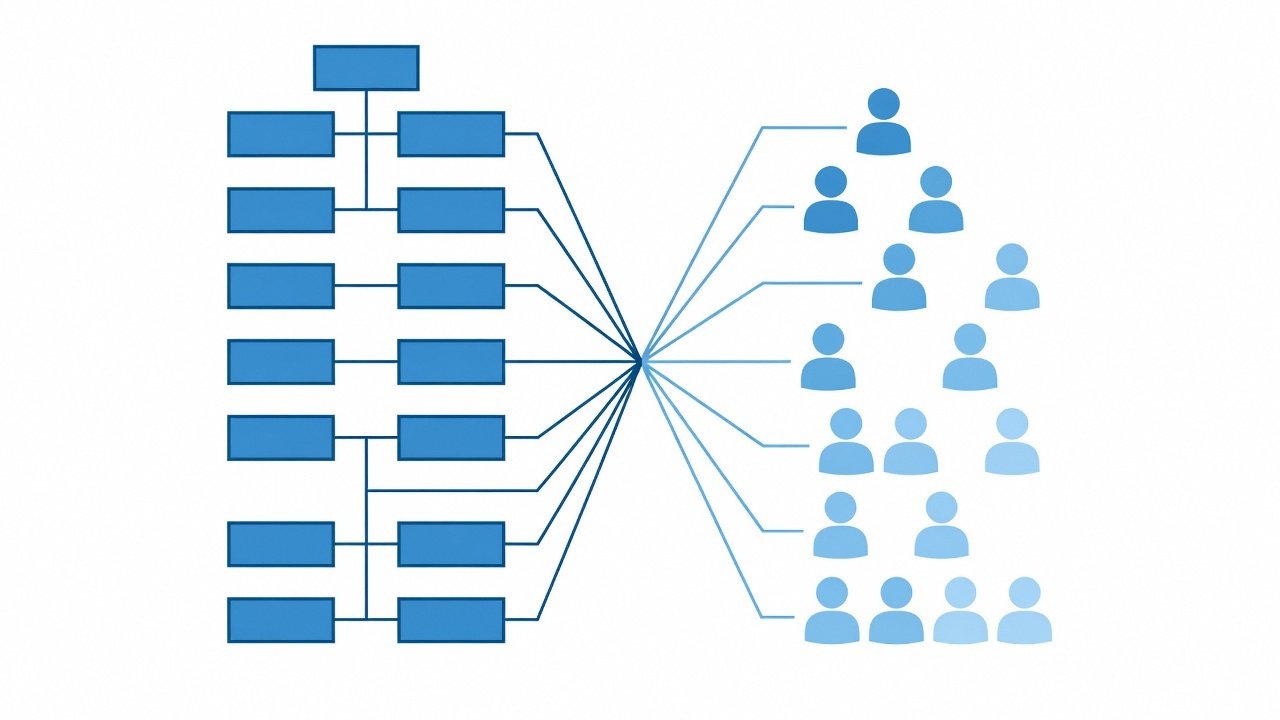
The ownership threshold
In the EU and the UK, the common benchmark is 25%. A person who owns or controls more than 25% of a company, or exercises control by other means, is generally treated as its beneficial owner. If no individual meets the threshold, the beneficial owner may be a senior managing official.
Why it matters
Beneficial ownership drives three things at once:
- CDD: you cannot assess risk without knowing who really owns the customer.
- PEP screening: a beneficial owner may be a PEP, or a family member or close associate of one.
- Sanctions screening: ownership can bring an entity within the scope of sanctions even if the entity itself is not listed.
Registers
Several registers exist to help identify beneficial owners:
- In the UK: the People with Significant Control (PSC) register at Companies House, plus the Register of Overseas Entities.
- In Poland: the Central Register of Beneficial Owners (CRBR).
- EU-wide: national beneficial ownership registers, access to which is being reshaped after the CJEU judgment on open access.

Identifying UBOs in practice
Ownership structures are often layered across several jurisdictions, which makes manual tracing slow. Hyperflow supports company and ownership checks through an API, so beneficial owners can be identified and screened consistently.